

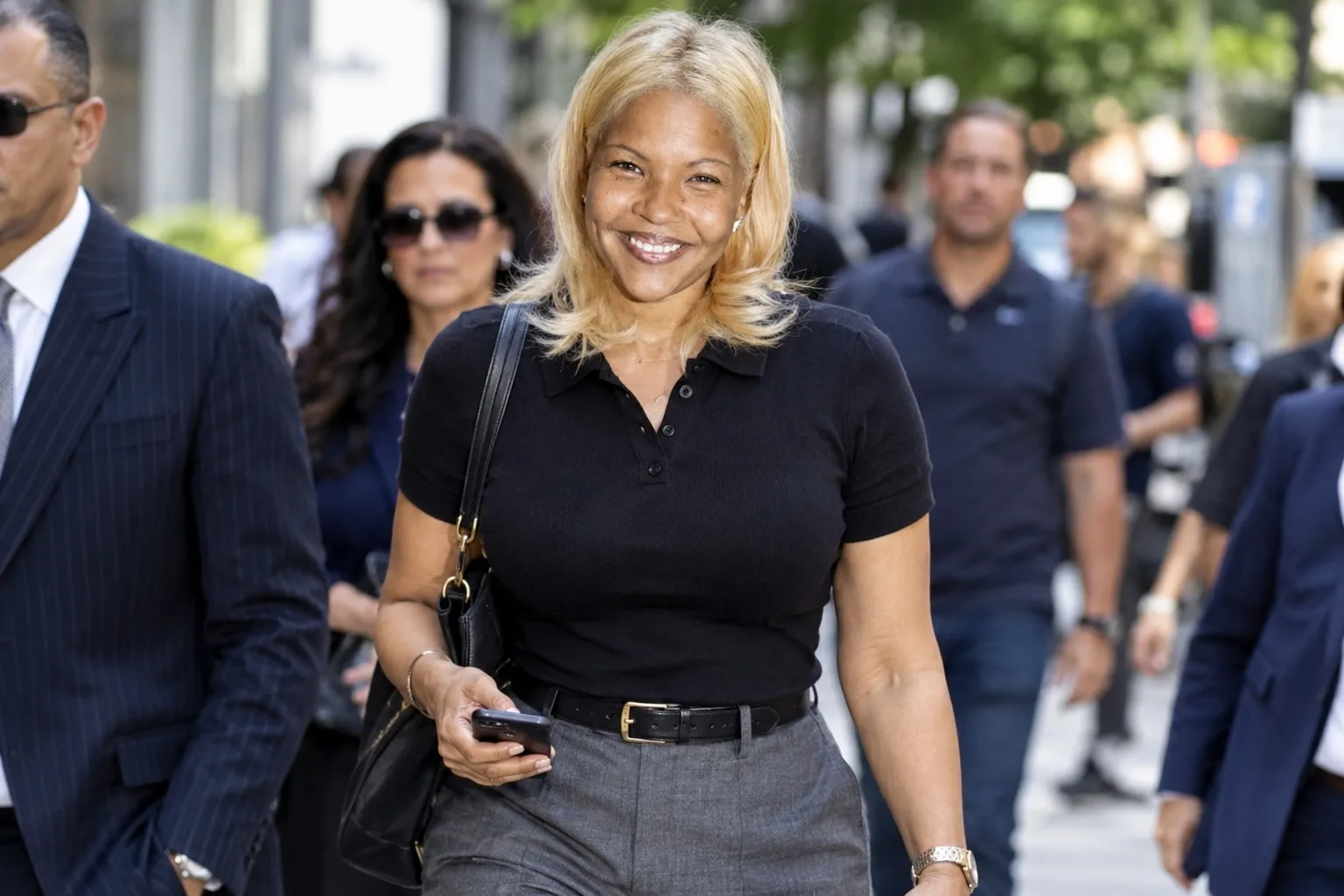
Before every rapper had a glam squad and a stylist on payroll, Misa Hylton was already building the look of hip-hop from scratch. She dressed Jodeci, Mary J. Blige and Lil’ Kim, and she made some of the most memorable images of the 1990s, including the lilac catsuit from the 1999 MTV VMAs. In her twenties she was a teen fan listening to hip-hop radio in Mount Vernon, and by 25 she was a millionaire. She is also Justin Combs’ mother and Sean “Diddy” Combs’ first public relationship, but her career shows she was never only someone’s partner. She helped connect fashion and hip-hop at a time when mainstream fashion wasn’t paying attention.
Misa Hylton Biography
| Field | Details |
|---|---|
| Full Name | Misa Hylton |
| Nickname/Stage Name | Misa Hylton-Brim (former name) |
| Date of Birth | January 6, 1974 |
| Place of Birth | Mount Vernon, New York, USA |
| Age | 52 years (as of 2026) |
| Nationality | American |
| Zodiac Sign | Capricorn |
| Ethnicity | Mixed (African American and Jamaican heritage on her father’s side, Japanese on her mother’s side) |
| Profession/Occupation | Fashion stylist, designer, costume designer, educator, certified life coach |
| Years Active | 1992–present |
| Genre/Field | Hip-hop and R&B fashion styling |
| Children | 3, including Justin Combs |
| Notable Works | Lil’ Kim’s 1999 VMAs catsuit, Jodeci’s rebrand, Mary J. Blige’s early image, Hard Core album cover styling |
| Awards/Honors | Subject of the documentary The Remix: Hip Hop x Fashion; Global Creative Partner of MCM |
Early Life and Multicultural Roots
Misa Hylton grew up in Mount Vernon, New York. Her father is African American with Jamaican heritage, and her mother is Japanese. That mix showed up in her taste early on. She has talked about soaking up reggae, Japanese art and New York street culture all at once, and you can see all three in her later work.
As a teenager she was a serious hip-hop fan. She listened to hip-hop radio stations and pictured what the artists might be wearing, imagining wardrobes for voices she had never seen. Most fans just listen to the music. She was already styling it in her head.
She also practiced on the people around her. She cut, colored and styled hair for friends and neighbors and put together outfits for anyone who would let her. That hands-on start mattered. She had no formal fashion training, so her skills came from doing the work over and over rather than from a classroom.
Her multicultural background also gave her a way of looking at style that she kept for life. She wanted people to celebrate their roots instead of hiding them, and that idea runs through her whole career, from Foxy Brown’s West Indian flavor to Black women’s beauty on mainstream red carpets.
Career Beginnings: Restyling Jodeci at Uptown Records
Hylton’s first real break came at 17 through Sean Combs, who was then working his way up at Uptown Records. Combs was helping develop Jodeci, a new R&B group on the label, and he brought Hylton in to work on the group’s image.
At the time, R&B groups usually wore matching suits and hard-bottom shoes, the polished look of the New Jack Swing era. Hylton wanted to go the other way. She put Jodeci in combat boots, hoodies, baseball caps, leather and streetwear, so they looked like the young men buying their records.
Andre Harrell, Uptown’s founder, initially resisted and rejected the idea. He thought R&B singers needed to look formal to be taken seriously. He later agreed, and the shift worked. You can see the new look in videos like “Gotta Love,” and other R&B groups soon copied it.
What strikes me about this chapter is how much confidence a 17-year-old needed to tell a label founder he was wrong. The Jodeci rebrand set the pattern for the rest of her career: style that came from the street first and made luxury fit it, not the other way around.
Styling Mary J. Blige and the Birth of Tomboy Chic
Mary J. Blige was the next new Uptown artist Hylton shaped, and she came with a strong identity of her own. Hylton didn’t try to turn her into a typical R&B diva. She leaned into Blige’s comfortable, tough hip-hop identity and built a look that became known as tomboy chic.
For Blige’s first album era, that meant sportswear, baseball caps, oversized jackets and combat boots, with feminine touches like jewelry and polished hair. Women in the Bronx and Yonkers dressed like that, which is why fans connected with it so quickly. Blige looked like someone from the community, not a product.
Harrell again had doubts, but the image helped make Blige a community staple and later opened high-end opportunities, including commercials and fashion deals. Hylton kept working with her as her sound matured, including styling her for the “Not Gon’ Cry” video, which showed a more grown, elegant side of the singer.
Misa Hylton and Lil’ Kim: Fashion’s Boldest Partnership
The search most people run on her name is “Misa Hylton Lil’ Kim,” and for good reason. Their collaboration produced some of the most famous looks in music history. Hylton saw that Lil’ Kim could own both sexiness and power in a male-dominated rap industry, and she dressed her that way.
Their creative synergy started with Kim’s debut album Hard Core, released on November 12, 1996. Hylton styled the album cover and the era’s photos, setting a provocative, luxurious tone no female rapper had tried before. On the record’s 25th anniversary, fans and fashion writers revisited those images as turning points.
The Crush On You Video and Signature Looks
In the “Crush On You” video, Hylton and Kim used a monochromatic concept, matching colorful wigs to outfits in shades of one color. The idea drew on The Wiz-inspired fantasy and turned a music video into a fashion lookbook. Other well-known looks from their partnership include a brown MCM bodysuit and a string of daring red carpet outfits.
The 1999 VMAs Lilac Catsuit
The most famous Hylton creation is Lil’ Kim’s 1999 VMAs look: a lilac, one-shouldered catsuit covered in sequins, with a matching pasty on the exposed breast and a lilac wig. Diana Ross’s playful reaction on stage made it a pop culture moment. The outfit later appeared in Vogue features about iconic VMA fashion and still shapes red carpet styling today.
Kim drew criticism for it at the time, but that was the point. Hylton has described those choices as unapologetic risks that let a woman show femininity on her own terms. Few stylists of any era have one look that is still discussed more than 25 years later.
Other Celebrity Clients and Collaborations
Hylton’s client list goes well beyond Jodeci, Blige and Lil’ Kim. Here are some of the artists she styled and what she’s best known for with each:
| Client | Notable Work |
|---|---|
| Sean “Diddy” Combs | Early image and video looks during the Bad Boy rise |
| Foxy Brown | West Indian flavor mixed with high-end glamour |
| Missy Elliott | Early video and photo styling |
| Mase | Shiny-suit era looks, including the “Let’s Get It” video |
| Faith Evans | Styling through Hylton’s company in the 1990s |
| Aaliyah | Early-career styling through Chyna Doll Enterprises |
| 50 Cent | Wardrobe styling in the 2000s |
| LaLa Anthony | Personal and on-camera styling |
| Trina | Tour wardrobe and custom pieces |
She was also known for daring custom pieces, such as shorts made from $100 bills and Versace-style one-pieces, and for working with Harlem designer Dapper Dan on custom looks, including Fendi Zucca print suits. Her collaborations later included custom MCM pieces worn by Beyoncé and Jay-Z.
“Hip Hop Glam”: How She Built a Style Without Industry Support
Hylton calls her approach “Hip Hop Glam.” It mixes culturally familiar items, such as sneakers, gold jewelry and streetwear, with luxury clothes and high-end labels. Some people called the same look “Ghetto Fabulous.” The goal was aspirational but still relatable, a positive reflection of where her clients came from.
The tough part was that luxury brands mostly refused to work with hip-hop artists in the 1990s. Designers wouldn’t send samples the way they did for white stylists working with mainstream magazines. So Hylton often bought luxury pieces on her credit card or designed the pieces herself, turning everyday items into custom showpieces.
That pressure came with a cost: recognition. Her looks were copied across mainstream fashion, and later stylists repeated her ideas without giving her full credit. She has said she was overlooked for years, partly because few people in the fashion industry took hip-hop seriously as a creative force.
Her purpose went beyond clothes, though. She has said she wanted her clients to see themselves as luxury, and she wanted emerging designers from the same neighborhoods to have room to create. That belief later shaped her teaching work.
Misa Hylton Fashion Academy and Business Ventures
Hylton was a businesswoman early. In 1995 she started Chyna Doll Enterprises, a company that managed other stylists and handled wardrobe for artists. By age 25 she had reportedly earned $1 million as a stylist, a rare figure for a young Black woman in the field at the time.
In 2012 she co-launched the Misa Hylton Fashion Academy with stylist Jai Hudson. The academy teaches emerging creatives the work of styling and the business side of fashion, an area she felt young stylists were never taught. Its programs cover:
- Celebrity and editorial styling
- Costume design for TV/film
- Personal shopping and wardrobe management
- Streetwear and fashion technology
- Finance, budgeting and running a styling business
The academy also ran a junior camp for high school students, planting a seed in teens who, like her, love fashion but don’t know it can be a career. She has also served as a mentor and taught as an adjunct professor at The New School.
MCM Global Creative Partner
In 2018, MCM Worldwide named Hylton its Global Creative Partner. It was a full-circle moment, since her early looks for Lil’ Kim and others had made the brand’s logo part of hip-hop’s visual language long before brands courted rappers.
Hylton has said MCM gave her creative freedom and the kind of family-oriented culture she rarely found at large fashion houses. Her work there included custom designs for artists and the Remix Shop collection, which reworked hip-hop’s classic looks for a new generation.
The partnership also delivered something she had waited decades for: an executive-level role at a luxury brand, credited by name, for the hip-hop style she helped build.
The Remix: Hip Hop x Fashion Documentary
In 2019, the documentary The Remix: Hip Hop x Fashion debuted at the 2019 Tribeca Film Festival. It focuses on Hylton and stylist Kerby Jean-Raymond-era peers, with her career as its centerpiece, and Lil’ Kim and Mary J. Blige attended the premiere to celebrate her.
The film later reached a wider audience on Netflix. For many viewers, especially younger fans, it was their first time hearing her name connected to looks they already knew. Hylton has said the documentary brought her the wider recognition her work deserved and helped set the record straight on who started many 90s trends.
Relationship With Diddy and Her Children
Hylton met Sean Combs as a teenager, before he was famous, and they became one of hip-hop’s early power couples. She was around for the start of his career at Uptown and the early Bad Boy years, and their working closeness helped her get her first major break with Jodeci.
Their son Justin Combs was born in December 1993. Hylton has said Justin was Combs’ first child, and the two remained co-parents after the relationship ended. She later had two more children: Niko, who makes music as a rapper, and daughter Madison Star Brim, from her later marriage.
Motherhood has been central to how she speaks about her life and work. She has described balancing early fame, a demanding career and raising children as tough, and said it taught her to keep her goals in focus even when life changes quickly.
Appearance at Diddy’s Trial and the Backlash
In 2025, Sean Combs stood trial in a federal case on racketeering and sex trafficking charges. Hylton showed up at the courthouse to support their son, Justin, and she was visibly recovering from a health setback, using a walker at the time.
Her presence drew criticism online. Some people said attending implied support for Combs, and her Instagram filled with comments from followers who disapproved. Others defended her as a mother standing by her child during a painful family moment.
Hylton responded that her values hadn’t changed and that she was there for her son. She also said she would step back and heal privately while focusing on a purposeful life. Many readers searching “Misa Hylton Diddy” today are looking for exactly this context, and it shows how much her public image remains tied to a relationship that ended decades ago.
Personal Style and Creative Philosophy
Hylton’s own style is eclectic and unconventional. She has described mixing pieces like a hockey jersey with a tennis skirt, or a dress with combat boots, because she sees getting dressed as art rather than rules.
She often says music and fashion influenced each other in the 90s. The sound of an album shaped the wardrobe, and the wardrobe helped tell the album’s story. When she styled clients, she listened to their music first, then built looks that matched the songs and the audiences they were made for.
Her approach comes down to a few habits she keeps repeating in interviews:
- Stay ahead of trends instead of chasing them.
- Think outside the box, especially when resources are limited.
- Build the vision with the client, not around them.
- Treat everyday wear with the same care as red carpet looks.
How Styling Has Changed Since the 1990s
Stylists in the 1990s were mostly under-credited. Photos ran in magazines with little or no mention of who created the look, and many Black stylists never got the recognition their white peers received.
Hylton says social media and technology changed that. Stylists can now showcase their work directly, build their own followers and become brands themselves. She believes that is a positive shift, but she warns young stylists not to confuse online attention with craft.
Fashion, Black Lives Matter and the Future of Black Designers
During the Black Lives Matter Movement, Hylton spoke about fashion’s responsibility to Black people. She pointed to groups such as the Black In Fashion Council and Harlem’s Fashion Row as models for protecting creatives and holding brands accountable.
She has been clear about what progress should look like: equal access to opportunities, fair pay, and real investment rather than early tokenism. She wants Black designers and stylists to own businesses, not only work inside other people’s. She also wants fashion schools to teach the hip-hop history that so many mainstream trends came from.
Advice for Aspiring Stylists and Young Women
Hylton now works as a certified life coach and often gives advice to emerging stylists and young women. Her guidance mixes creative ideas with practical business basics.
For stylists, she stresses the business side most people skip:
- Perfect your craft before chasing fame.
- Build relationships and keep your integrity.
- Learn budgeting and tax planning, especially as independent contractors.
- Stay creative and stay honest, even when the pressure is high.
For young women, her message is about self-assurance and courage. She talks about persistence, protecting your well-being, and adjusting your goals as life changes, including motherhood. As she has put it in several interviews, the right outfit can give you confidence, but the confidence has to be yours first.
Misa Hylton’s Legacy and Influence on Fashion
Hylton is remembered as one of the architects of hip-hop style. Her looks for Lil’ Kim, Mary J. Blige and Jodeci defined what many now call a golden time for 90s fashion, and today’s designers still use her work as a main inspiration.
Her influence also reaches into Black cultural history more broadly. She showed that Black women could be glamorous, bold and in control of their image, and that hip-hop culture deserved a seat in luxury fashion.
Above all, people who have worked with her describe her as a giver who brings others along, through her academy, her mentoring and her advocacy. Her lasting impact is visible on every red carpet where a rapper wears couture and nobody questions it.
FAQs
How old is Misa Hylton?
Misa Hylton was born on January 6, 1974, in Mount Vernon, New York, so she is 52 years old in 2026. Her zodiac sign is Capricorn.
Is Misa Hylton Justin Combs’ mother?
Yes. Misa Hylton is the mother of Justin Combs, her son with Sean “Diddy” Combs, born in December 1993. She later had two more children, Niko and Madison Star Brim.
What is Misa Hylton’s ethnicity?
She has a multicultural background. Her father is African American with Jamaican heritage, and her mother is Japanese.
Who designed Lil’ Kim’s purple VMA outfit?
Misa Hylton styled and designed the lilac one-shouldered catsuit Lil’ Kim wore at the 1999 MTV VMAs. It is often listed among the most iconic award show outfits ever.
What does the Misa Hylton Fashion Academy teach?
The academy, co-launched in 2012 with Jai Hudson, teaches celebrity and editorial styling, costume design, personal shopping and the business of fashion. It also runs programs for high school students interested in fashion careers.
Where can I watch the Misa Hylton documentary?
The Remix: Hip Hop x Fashion premiered at the 2019 Tribeca Film Festival and was later released on Netflix. It covers her career alongside other key figures in hip-hop fashion.
Read About : lauren hashian